
2 weeks highlights travel itinerary in Peru
- Aug 21, 2024
- 8 min read
Updated: 7 days ago
Looking for quick tips to plan your next trip in Southern Peru? Check out our 2 weeks highlights travel itinerary in Peru, including our day by day itinerary, all the practical info from our direct experience and most of the frequently asked questions we receive
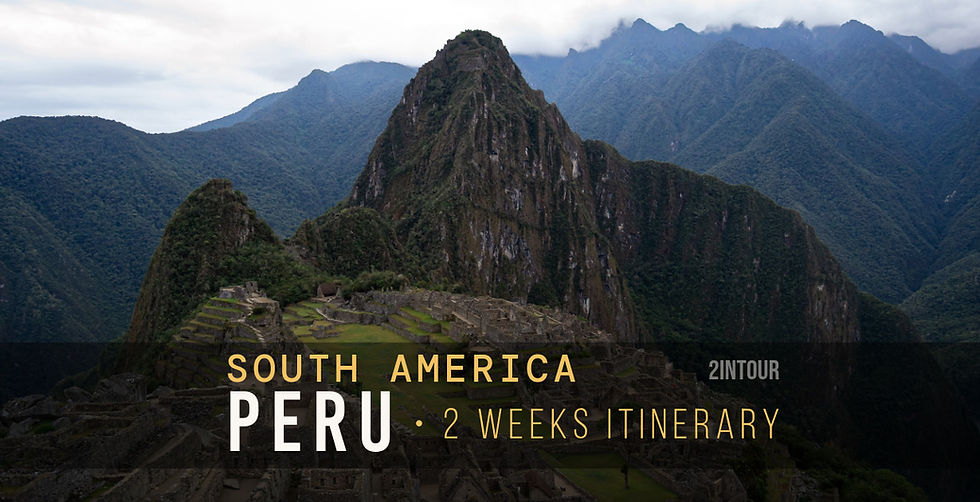
Peru is a vast and incredibly interesting country, plenty of natural and cultural beauties. During your travel in Peru you will discover every day a different landscape: deserts, the coast, lovely colonial cities , the Andes, the volcans, the Inca Ruins (not only Machu Picchu!) and many many opportunities for wildlife observation (llamas, Alpacas, flamingos, condors, seals, penguins, sea lions..): simply wonderful!
Our 2 weeks highlights travel itinerary in Peru: day by day
DAY 1- arrival in LIMA – night show of lights and music at the fountains of the Circuito Magico de l'Agua – Night in Lima (Hotel Santa Cruz)
For a special fish dinner in a scenic place, we suggest you the famous Rosa Nàutica Restaurant in Miraflores
To taste the traditional Chincharron, we suggest you the Sangucheria El Chinito in Plaza the Armas in Lima
DAY 2 – entire morning dedicated to the visit of LIMA, la Ciudad de los Reyes (namely the historic colonial center (Plaza the Armas, the Cathedral and the nearby Monasterio de San Francisco) and the Garden of Love overlooking the ocean in Miraflores) - 270 km – night in Paracas (Hotel Hacienda Bahia)
DAY 3 – boat tour to BALLESTAS ISLANDS in front of Paracas to see the seals, sea lions, penguins and pelicans– 75km - Huacachina Oasis in the Ica Desert to see the huge dunes of gold sand and to try the Dune Buggy and Sand Boarding - 140km- Mirador on the Nazca Lines – night in Nazca (Hotel Casa Andina)

If you have time, add a day in Paracas to visit the Natural Reserve of Paracas where the desert meets the ocean! DAY 4 – all day driving along the Panamericana route from Nazca to Arequipa (570km – 10hours) – night in Arequipa (Hotel Santa Rosa)
As alternative to the long travel on the Panamericana, you can evaluate an internal flight from Nazca to Arequipa
To taste the traditional Alpaca beef and Guinea Pig (Cuy) we suggest you to have a dinner to CHICHA Restaurant in Arequipa
DAY 5 – morning dedicated to the city tour of AREQUIPA (namely Plaza the Armas with the Cathedral, the Iglesia de la Compania, the colorful Monasterio of Santa Catalina and the scenic Yanahuara mirador on El Misti Volcan) - 70 km Salinas and Aguada Blanca National Reserve to see llamas and Alpacas - 115km Patapampa Mirador at 4910 m – 30km relax in the thermal baths La Calera – night in Chivay (Hotel Pozo del Cielo)
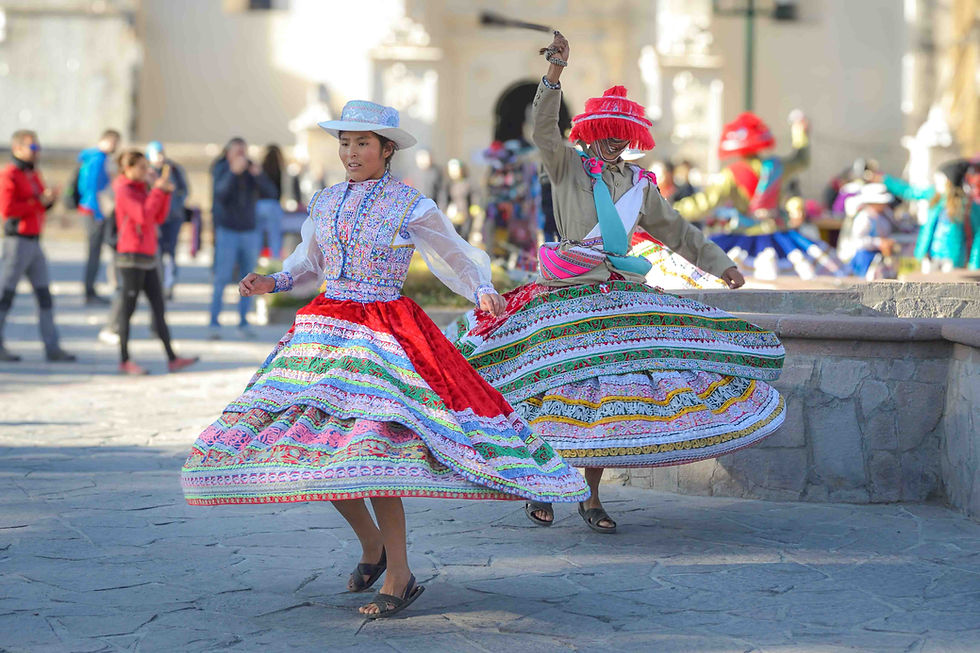
DAY 6 – entire morning in the COLCA CANYON (namely YANQUE to see the typical peruvian dance in the square of this little village in the early morning; CRUZ DEL CONDOR to see the condors fly over the canyon, traditional market in MACA); LAGUNILLAS to see the pink flamingos in a natural lagoon) – 340 km – night in Puno (Hotel Royal Inn)
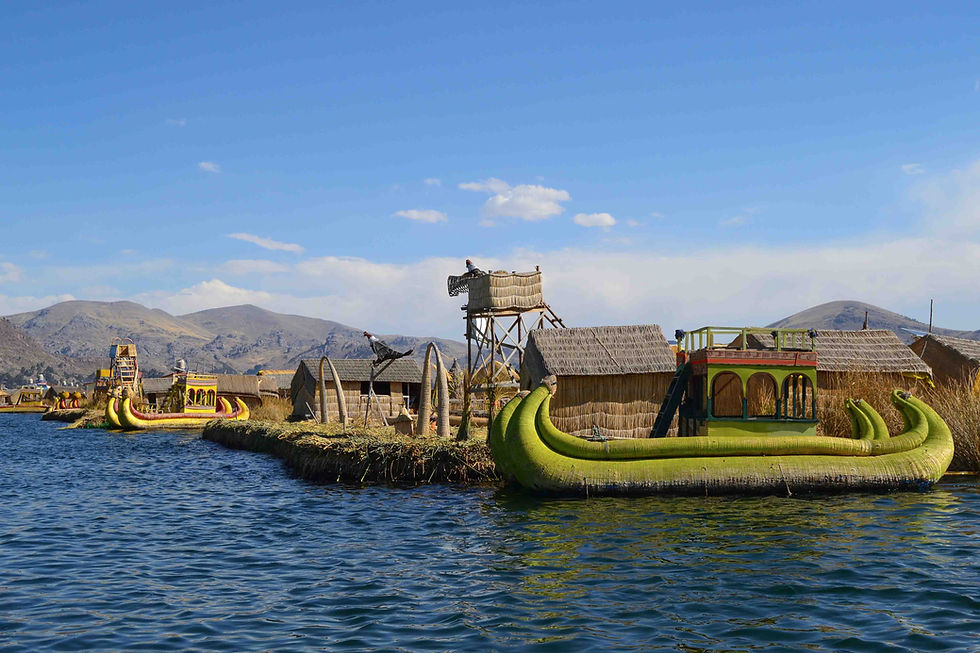
DAY 7 - boat tour of TITICACA LAKE, the highest navigable lake in the world at 3800m and its Islands ( TAQUILE ISLAND and the FLOATING ISLANDS DE LOS UROS) – night in Puno (Hotel Royal Inn)
DAY 8 - 270 km driving on the Andes (quick stop to Mirador La Raya at 4319m) - Archeological Site Racqui to see the majestic Viracocha Temple – 80km - Andahuaylillas colonial church (amazing frescoes) – 40km – Cusco – night in Cusco (Hotel Casa Andina)
DAY 9 - CUSCO city center (Plaza the Armas with the Cathedral, the Coricancha Temple with the Convent of Santo Domingo, the Inca Museum) and the nearby Inca Ruins (SACSAYWAMAN, QENQO, PUKA PUKARA and TAMBOMACHAY) – night in Cusco (Hotel Casa Andina)
Restaurants in Cusco: Don Carlos (peruvian traditional specialties) e Incanto (pizza)
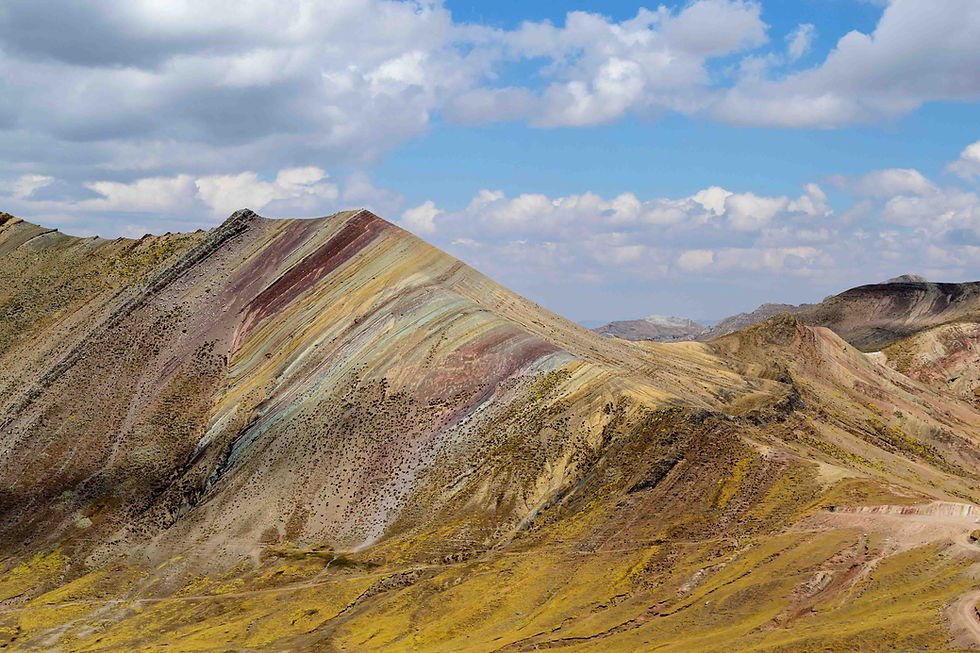
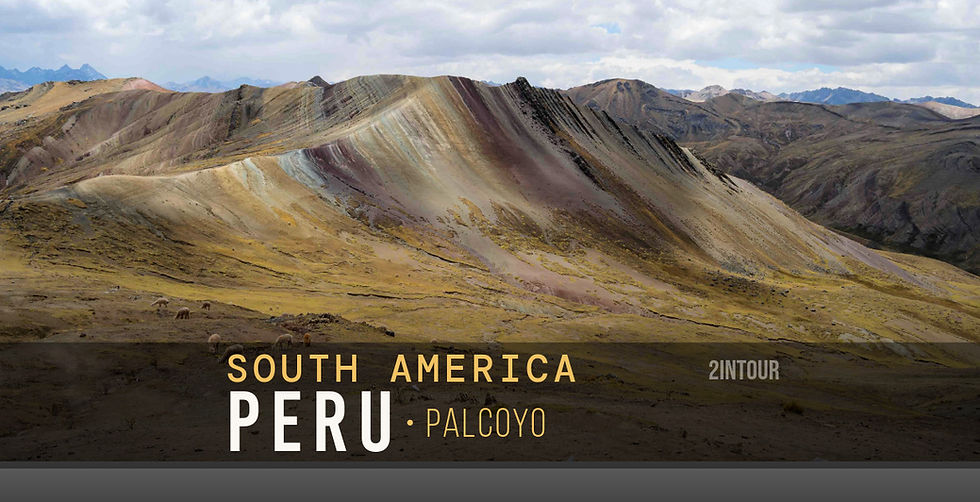
DAY 10 – PALCOYO Rainbow Mountains - night in Cusco (Hotel Casa Andina)
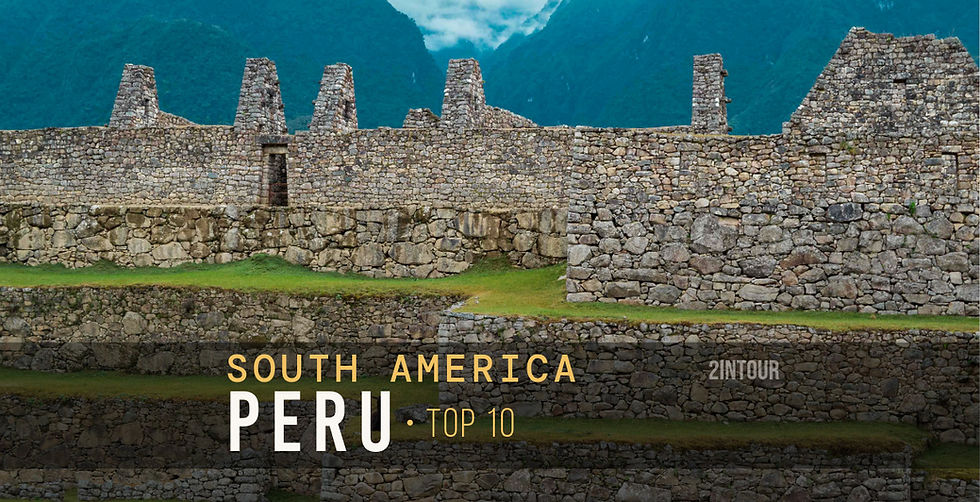
DAY 11 - SACRED VALLEY (pictoresque village of CHINCHERO, the impressive SALINAS DE MARAS, the ancient well-preserved Inca Fortress and temple of OLLANTAYTAMBO) – train from Ollantaytambo to Aguas Caliente – night in Aguas Caliente (Hotel Mapi Inka Terra)
DAY 12 - MACHU PICCHU and HUAYNA PICCHU - train from Aguas Caliente to Ollantaytambo – 65km Cusco - night in Cusco (Hotel Casa Andina)

To visit Machu Picchu, we suggest you to book in advance (several months before because the number of persons allowed per day are limited) the first entrace at 6am (and the related bus at 5.30am to arrive from Aguas Calientes to the entrace of the site). You need to get up very early but you will be able to take a wonderful photo from the Guardian House without people in the site!
Do not miss to book in advance also the hike at HUAYNA PICCHU (we suggest you the first slot from 7am to 8am) for a suggestive trekking of 2/3 hours (3000 steps!) to see Machu Picchu from a suggestive different perspective!
DAY 13 – internal flight CUSCO/LIMA – International flight to Italy
OUR INTERNATIONALS FLIGHTS:
- Air France flight from Florence to Paris and then to Lima
- Air France flight from Lima to Paris and then to Florence
To discover more about the places we visited, read also our post about the Top 10 things to see in Peru and the several dedicated posts to this country and have a look to our posts and stories dedicated to Peru dated August/September 2019 on our Instagram page @2intour
PRACTICAL INFO
TRANSPORTS IN PERU
Peru is a quite safe country but distances are very long and the streets are not always in perfect conditions. A valid alternative to rent a car and self drive is organizing a tour with a local guide and a driver for the transfers as we did (we have chosen Peru Paradise https://www.peruparadisetravel.com/ ) or with the buses (for details on routes, timetable and costs see www.cruzdelsur.com.pe ) !
If you opt for the self drive, it is safer to avoid to drive when it is night.
To reach Machu Picchu the best way is by train from Ollantaytambo to Aguas Calientes (https://incarail.com/ or https://www.perurail.com/trains/expedition/ )
For the longer distances you can evaluate the internal flights (in particular for the transfers Nazca- Arequipa and Cusco- Lima)
CLIMATE
The period of July/August/September is a good moment to visit the South of Peru as the temperatures are pleasant during the day (in the morning and in the night is cold) and it rains rarely
ALTITUDE
How to contrast the potential negative effects of the altitude?
- evaluate to take Diamox medicine: half pill in the morning and half pill in the evening starting 2days before arriving to 3000m and for all days when you will stay up to 3000m. Do not stop it if you feel good, otherwise you risk that the effect will finish. Obviusly before taking Diamox ask to your doctor
- try not to climbing stairs or walking fast. The best thing is to enjoy every place with calm
- drink mate de coca tea during trekking (never after 4pm)
- do not eat too heavy food for dinner and drink the Anis tea before going to sleep
- plan your itinerary to arrive gradually to the Ande to allow to your body to adapt to the altitude slowly
VISA
For italians citizens, a valid passport is sufficient to visit Peru. The Visa is not requested if you will remain in Peru for tourism within 90 days
For updated info for Italians citizens check the Viaggare Sicuri official site before leaving
HOTELS
Peruvian standards are quite good and the rooms are usually clean so a medium category is fine.
Below you can find our choices:
Lima: Hotel Santa Cruz (essential; not ideal if you want to visit Lima by walk) Paracas: Hotel Hacienda Bahia (wonderful and in front of the sea) Nazca: Hotel Casa Andina (very nice and in a very good position) Arequipa: Hotel Santa Rosa (very nice and perfect to explore Arequipa by walk) Chivay: Hotel Pozo del Cielo (pictoresque, but the room was quite cold during the night; good base to explore the Colca Canyon)
Puno: Hotel Royal Inn (nice for the standard of Puno)
Cusco: Hotel Casa Andina (nice and in a very good position to explore Cusco city center) Aguas Calientes:Hotel Mapi Inka terra 3 stelle sup (wonderful and in a very good position)
EAT AND DRINK
The Peruvian cuisine is rich of vegetables, rice, meat and fish …try the traditional dishes like the Guinea Pig, the Alpaca Beef, the Quinoa sopa and the sopa de Gallina, the Chincharron and so on. If you love raw fish, do not miss to try the Chevice but only in high standard restaurant to avoid illness from contaminated fish
The hygienic condition are quite good in Peru but to avoid dysentery drink only sealed water and drinks.
Last but not least only drink sealed water and drinks.
FREQUENTLY ASKED QUESTIONS
What are the must-see destinations of Peru?
The places we strongly suggest to include for your first visit are: Colca Canyon, Arequipa, Titicaca lake, Cusco, Machu Picchu and the Sacred Valley. If you like wildlife observation another must-see in our opinion are Ballestas Islands, with their colonies of penguins and sea lions and many other birds
When is the best time to visit Peru?
We visited these areas between August and the September and the weather conditions were ideals. Generally speaking the dry season goes from May to September and it is ideal if you want to plan some hikes and explore the mountains. Coastal areas like Lima and deserts are mild year-round, though summer months can bring clouds or rain in the highlands. Be prepared to find foggy conditions in Lima.. the so called Garua is very frequent
Is Peru safe for travelers?
Yes, with usual precautions. Stick to well-traveled routes, avoid driving at night, especially in remote areas, and take care of your belongings in crowded spots. We never felt in a dangerous situations
What’s the best way to explore Peru?
It really depends about your travel style and the itineraries you want to explore. Driving, guided tours, or a mix of both all work. Road trips give flexibility, while tours offer local insights at major sites. Combining the two with a local driver often makes the trip easiest and most enjoyable as we did.
What language do people speak in Peru?
Spanish is the official language, however more than 40 indigenous languages are also spoken and actually we found some people speaking Quechua and Aymara, especially in rural areas. English is common in tourist areas, but learning a few phrases in Spanish goes a long way.
How much does a Peru trip cost?
Also in this case, it really depends on your travel style. Excluding the flights, we found Perù not very expensive compared to Europe, especially for accomodations and food.
Budget travelers can get by with hostels, local buses and self-guided tours of the archaeological sites. Guided tours, and comfortable accommodations can increase your spending. Expect higher prices for touristic attractions, especially for Machu Picchu tickets and trains.
What to do to avoid altitude sickness?
Altitude sickness is a real thing and shouldn’t be underestimated when planning a trip to Perù. Many of Peru’s iconic destinations - Cusco, Machu Picchu, Lake Titicaca, and the Sacred Valley - are located at high elevations and human body requires to acclimate step by step. One of the best way is to gradually increase your elevation, possibly chosing an itinerary allowing you to increase your sleeping altitude by no more than 300–500 meters per night. Other suggestions are to stay hydrated, avoiding alchoolic drinks and having light dinner.
For more info on these places and to discover more about our travel in Peru read all our articles on the blog dedicated to Peru and have a look to our posts and stories dedicated to Peru on our Instagram page @2intour dated August/September 2019
Did you enjoy our article? Read the other articles and for more photos and videos follow our IG page @2intour

Comments